
Msila-University
Paradigmes de Programmation
Programming Paradigms
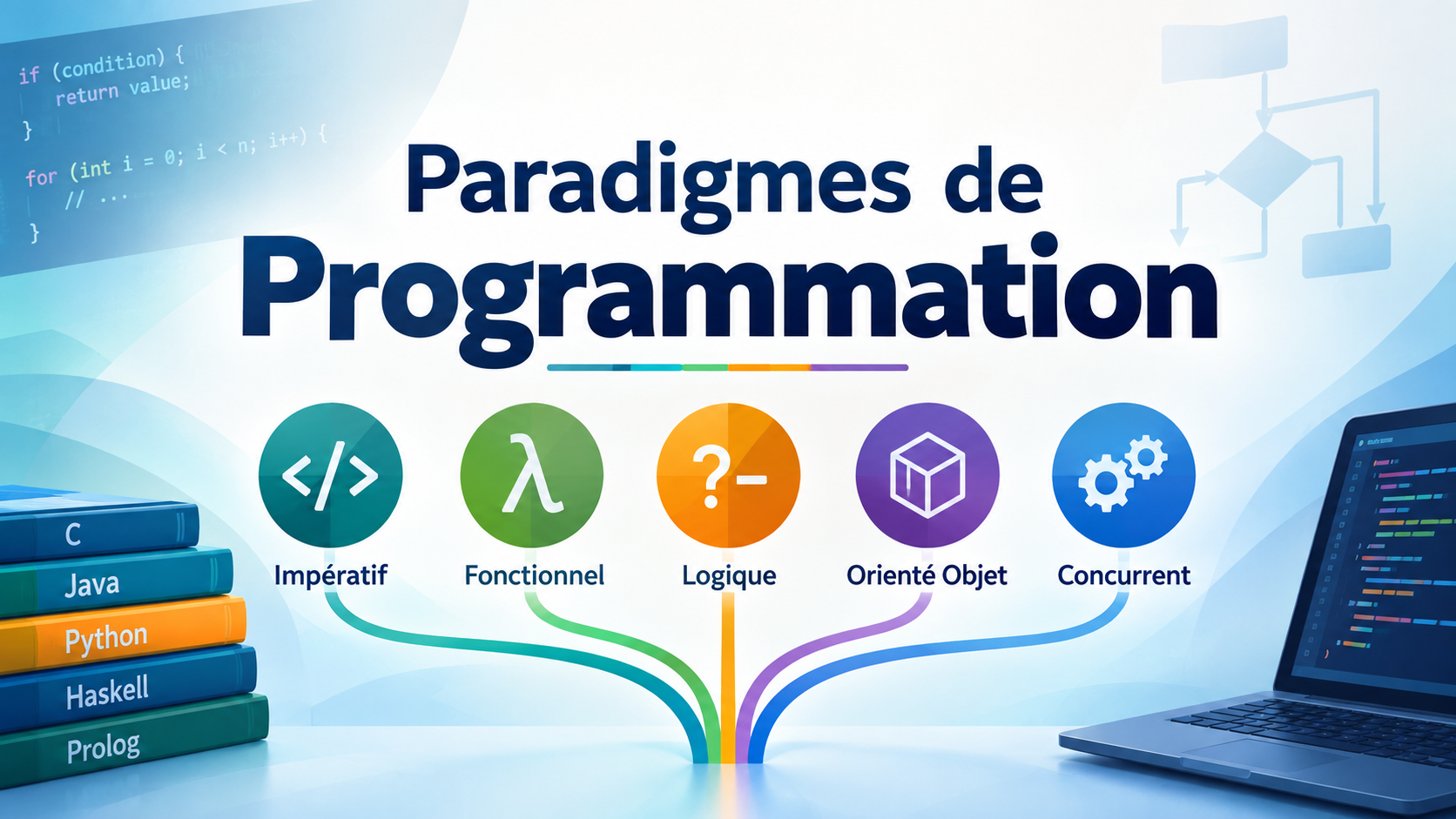
Programming Paradigms
Staff
Dr.BOUKHARI Nawel
Department of Computer Science/Faculty of Mathematics and Informatics
Université Mohamed Boudiaf – M'sila, Algeria
About This Course
Programming languages offer different ways of thinking about and solving problems. These approaches, known as programming paradigms, influence how software is designed, implemented, and maintained.
This course explores the major programming paradigms that have shaped modern software development, including imperative, object-oriented, functional, logic, declarative, concurrent, and reactive programming. Learners will examine their theoretical foundations, key concepts, applications, strengths, and limitations.
Through practical activities and programming exercises, students will work with different programming languages and styles and learn how to select an appropriate paradigm according to the nature, constraints, and requirements of a given problem.
Course Objectives
This course explores different programming styles and their applications. By the end of the course, students will be able to:
- Explain (Understand) the theoretical foundations of the main programming paradigms. (Chapter 1)
- Identify and describe (Remember/Understand) the key concepts and characteristics of different programming paradigms, including imperative, object-oriented, functional, and logic programming. (Chapters 1, 2, and 3)
- Analyze (Analyze) a given problem and compare the suitability of different programming paradigms for solving it.
- Justify and select (Evaluate) the most appropriate programming paradigm based on the context, constraints, and requirements of a given problem.
- Apply and implement (Apply/Create) programming solutions using different languages and programming styles corresponding to the paradigms studied in the course.
Who This Course Is For
This course is designed for computer science students, software developers, software engineers, and learners interested in programming languages and software design.
Prerequisites
Basic knowledge of programming, algorithms, and data structures is recommended. Familiarity with multiple programming languages is helpful but not required.
Course Highlights
- Foundations — Understand the theoretical foundations of major programming paradigms.
- Hands-on Practice — Apply concepts through practical programming activities and exercises.
- Comparative Learning — Analyze the strengths, limitations, and trade-offs of different programming approaches.
- Problem-Solving — Learn to select and justify the most appropriate programming paradigm for different problems.
- Multi-Paradigm Programming — Develop practical experience with different programming languages and programming styles.
Start the course and discover how different ways of thinking can lead to different ways of programming.